
This is a sample post created to test the basic formatting features of the WordPress CMS. Subheading Level 2 You can use bold text, italic text, and combine both styles. Bullet list item #1 Item with bold emphasis And a link: official WordPress site Step one Step two Step three This content is only for demonstration purposes. Feel free to edit or delete it.
Reading a Flatware Listing Properly
Flatware is sold on pattern photographs and bought on specifications that are frequently buried further down the page. Knowing which lines matter makes comparison straightforward. The Specifications That Predict Everything Alloy, gauge, finish, piece count and whether open stock exists. Those five determine how the set will look in a decade and whether it can be maintained. Almost everything else on a listing is descriptive language that could be applied to any set at any price. What to Check The alloy: 18/10, 18/8 or 18/0, stated explicitly rather than implied The finish: mirror, satin or a combination, and whether coated The piece count, and crucially what those pieces are Whether serving pieces are included or sold separately The dishwasher rating, which is a manufacturer statement Whether individual pieces are available as open stock Listings that state the alloy on every product, of the kind at oneida-us.com, make comparison possible. Where an alloy is not stated at all, that absence is itself informative. Piece Count Is Frequently Misleading A sixty-five piece set sounds generous until you divide it. Sixty-five pieces at five per setting is a service for twelve with five pieces left over, which may or may not be the serving pieces you need. The useful figure is the number of complete settings and what a setting contains. Everything else is arithmetic on the headline number. Descriptive Language to Discount Heavyweight, premium, restaurant quality, forged. None of these has a standardised meaning in flatware, and all are used freely at every price point. Forged in particular is used loosely: most stainless flatware is stamped and formed from rolled blank rather than forged in the traditional sense. Reviews, Used Properly Star ratings are dominated by first impressions, since most reviews are written within days of delivery. They tell you the set arrived undamaged and looked like the photograph. The informative reviews mention months or years: whether it pitted, whether tines bent, whether the finish dulled. Complaints that recur across many reviews are worth more than any average score. Photographs Pattern and finish photograph accurately. Weight, balance and the sharpness of a spoon rim do not, and those are what determine daily comfort. Where a single place setting can be bought first, that is worth doing before committing to a service. Country of Manufacture Brand heritage and current production location are frequently different things, and a long history in one country does not mean current manufacture there. Where this matters to you, check it stated explicitly on the listing rather than inferring it from the brand’s story.
Example Post for WordPress
This is a sample post created to test the basic formatting features of the WordPress CMS. Subheading Level 2 You can use bold text, italic text, and combine both styles. Bullet list item #1 Item with bold emphasis And a link: official WordPress site Step one Step two Step three This content is only for demonstration purposes. Feel free to edit or delete it.
Example Post for WordPress
This is a sample post created to test the basic formatting features of the WordPress CMS. Subheading Level 2 You can use bold text, italic text, and combine both styles. Bullet list item #1 Item with bold emphasis And a link: official WordPress site Step one Step two Step three This content is only for demonstration purposes. Feel free to edit or delete it.
Example Post for WordPress
This is a sample post created to test the basic formatting features of the WordPress CMS. Subheading Level 2 You can use bold text, italic text, and combine both styles. Bullet list item #1 Item with bold emphasis And a link: official WordPress site Step one Step two Step three This content is only for demonstration purposes. Feel free to edit or delete it.
How to Track ROI From Your Restaurant PPC Campaigns
The culinary industry is already having a cutthroat competition. In such a competitive niche, having a booming online presence is very much required. Pay-Per-Click advertising, especially on platforms like Google Ads and social media, has emerged as a powerful tool for restaurants to attract new customers, fill tables, and drive more revenue. However, launching campaigns and seeing clicks isn’t enough. You may wanna know whether these clicks are converting into returns, don’t you? Well, many restaurant owners pour money into PPC without understanding its effectiveness clearly. They might see an increase in website traffic or phone calls, yet struggle to convert them into reservations. In this article, you will learn how you can track your return on investment from your restaurant’s PPC campaigns. You will also learn how to convert your website traffic and phone calls into reservations, walk-ins, or online orders. Tracking ROI for Your Restaurant PPC Campaigns: Why Monitoring Your ROI Is Essential? A PPC campaign is an investment for your restaurant’s future. But before investing, you need to understand the financial impact it may carry. According to companies offering PPC services for restaurants, robust ROI tracking helps you in the following ways: Optimizing Ad Spend You need to identify which campaigns, keywords, and ad creatives are generating the most profit. This will help you reallocate your budget to maximize returns. Improve Campaign Performance Tracking your PPC campaign’s ROI will help you highlight underperforming elements and make data-driven adjustments to improve targeting, messaging, and bidding strategies. Justify Marketing Budget It also helps you present clear, quantifiable evidence of the PPC campaign’s effectiveness to stakeholders and business partners. This further makes it easier for you to secure marketing investments for the future. Understand Customer Behaviour You will also gain insights into how potential customers interact with your website and what motivates them to visit your restaurant. Have a Competitive Edge By understanding what works, you will be able to move ahead of your competitors who are still guessing about their online marketing strategies. On-Page SEO Tips for Restaurant Websites Challenges Involved in Tracking the ROI of a Restaurant’s PPC Campaign Monitoring ROI for your restaurant isn’t as easy as it seems to be. The customer journey is often more complex with respect to a restaurant. Here are some aspects that you need to keep in mind: Offline Conversions: Many restaurant conversions happen offline. A customer sees an ad, calls to book a table, or simply walks in after being attracted to a particular ad. Delayed Conversions: A customer might see an ad today, but not visit your restaurant for several days or weeks. Multiple Touchpoints: A customer might encounter many of your online marketing efforts, like PPC, social media, or organic search, before making a decision. Average Order Value Variability: The value of a conversion can vary significantly(a solo dinner vs a big-fat party, a quick lunch vs a full dinner). Despite these challenges, it is possible to implement effective ROI tracking strategies. All you require is a combination of digital analytics, smart tracking tools, and a systematic approach to connecting online actions to offline outcomes. How to Track the ROI of Your Restaurant’s PPC Effectively? Here are some important ways through which you can accurately track the ROI of your restaurant’s PPC campaigns: Define Your Key Performance Indicators and Conversion Goals Before even launching a PPC campaign, you need to clearly define what would make your restaurant successful. Some notable conversion goals include: You need to assign a monetary value to each conversion where possible. For instance, if your table booking is worth $1 in revenue, you can assign that value to each online reservation. For less direct conversions like website visits, you may estimate a lower, incremental value. Implement Robust Digital Tracking: Digital monitoring is the technical backbone of your ROI tracking. For that, you need essential tools like Google Analytics 4, Google Tag Manager, Facebook Pixel(for social media PPC), etc. Furthermore, you need to implement UTM parameters in all your ad URLs to clearly recognize the source, medium, campaign, and content of each click. This will help you segment your data in GA4 and understand which particular campaigns are performing well. Attribute Offline Conversions: This is the aspect where tracking the ROI of a restaurant becomes more nuanced. As many conversions happen offline, you need strategies that will help you connect the digital dots. Here’s how you can do so: Calculate Your ROI: Once you have your data ready, you need to do the calculation, which is straightforward: ROI: (Revenue from PPC Conversions)/PPC Ad Spend Need Help Choosing the Right Agency? Check out our researched List of the Best Restaurant Marketing Companies. To Summarize Tracking the return on investment of your restaurant PPC campaigns has become an extremely fundamental requirement to ensure sustainable growth for your restaurant in this digital age. By meticulously defining your goals, implementing robust tracking mechanisms, attributing offline conversions, and continuously analyzing your data, you can convert your PPC campaign into a profit-generating investment.

What’s Next? Email Marketing Automation Trends for 2025
In the rapidly changing digital landscape of 2025, email marketing automation isn’t just a useful resource—it has become a must-have. As artificial intelligence (AI) and machine learning are increasingly embedded in digital marketing platforms, brands are moving away from batch and blast email campaigns toward highly targeted, predictive, and real-time customer interactions. Such work is transforming the way marketers acquire and retain audiences in verticals as diverse as e-commerce and SaaS, all the way to old-school industries like farming and manufacturing. This article is going to cover the most effective email marketing automation trends you should be aware of in 2025, including predictive flows, real-time customization, hyper-personalization, and cross-channel orchestration are revolutionizing the arena. Top Email Marketing Automation Trends in 2025 1. Predictive Email Flows: Anticipating Customer Behaviour Anticipatory Customer Scenarios to Streamline Ideas. For some reason, humans are wired to do this. Flow—This is simple mathematics. Predictive Analytics and Email Flows for 2025. One of the biggest impacting trends for 2025 we will see not only for email but for all channels will be predictive analytics-based email flows. Nowadays, the marketing automation solutions can even predict what a customer is about to do, leveraging predictive data, AI, and inferred behavioural triggers. How It Works Rather than configuring static drip campaigns, marketers are relying on tools that can predict when users will be relatively more likely to engage, convert, or churn. These systems analyze Browsing history Using that data, the system optimally sends targeted emails just as the user is most likely to make a move, driving higher conversions and engagement. Real-World Example For example, imagine that a customer regularly buys spare parts for a tractor. The system would see what their maintenance pattern is and would automatically remind them via email right before the next time you’d expect them to make a purchase. No guesswork, a better customer experience. Bonus Tips: AI for Marketers 2. Real-Time Customization: Responding Instantly to User Actions An innovative trend in email automation is personalized email in real time. Static, traditional segmentation is being replaced with dynamic, behaviour-driven personalization that changes as people engage with your content. Real-Time Email Triggers: This level of interaction turns emails from stagnant messages into interactive, moment-based conversation threads. 3. Hyper-Personalization with AI and Machine Learning Say goodbye to “Hi [First Name]” personalization; 2025 is the year of hyper-personalized email experiences from AI. Ultimately, these technologies create personalized messages that are driven by a vast array of data points. Key Personalization Factors: AI processes this data to suggest products and email subject lines, send times, offers, and images that will appeal to that specific recipient. 4. Omnichannel Integration: Email Meets SMS, Push & Social It’s not 2025, and email is not a silo. It is a part of a larger omnichannel marketing ecosystem in which touchpoints collaborate in guiding customers through the funnel. How Integration Works These directed currents lope through unsuspecting apps, automated to inveigle their own way into where users already are — be that their inbox, their smartphone, or Instagram. Platform Synergy Sleeker CRMs and platforms like Klaviyo, Active Campaign, and HubSpot are now delivering these multichannel journeys natively, enabling you to sync customer activity across email, apps, and social ads in real time. 5. Interactive Emails and AMP Technology The email inbox isn’t static. Users now have the means to act right inside emails with the emergence of AMP for Email (AMP stands for Accelerated Mobile Pages) and interactive email technology: Features of Interactive Emails That’s especially useful in B2B sectors, like manufacturing or farming, where many busy professionals count on fast, efficient communication. 6. Voice and AI Assistants in Email Automation Now, voice AI itself is becoming a frontier. As products such as Alexa, Google Assistant, and Siri infuse themselves into more and more households, brands are also trying It’s just the beginning, I know, but this type of thing could be big, especially for users in rural areas or who are more mobile heavy (field techs who would rather have emails read to them instead of reading). 7. Privacy-First Automation: Balancing Personalization and Compliance Privacy regulations like GDPR, CCPA, and now India’s DPDP Act, which is set to see stronger enforcement in 2025, are forcing marketers to get the message—people’s privacy needs to be respected, even while personalized communications need to be made. Solutions Gaining Popularity Privacy-first automation platforms now offer transparency while empowering users to manage data preferences, enabling trust to be established without a reduction in conversion. 8. Content Generation with GenAI Generative AI is emerging as an increasingly valuable tool in email marketing. Now platforms provide content generative tools for: In 2025, this level of hyper-individual AI-driven specificity could manifest in campaigns created exactly to the customers’ tastes and preferences at scale — something finicky humans could never remotely hope to achieve by hand. Human-AI Collaboration While AI is responsible for most of the content generation work, human marketers are still necessary for reviewing content, adjusting the tone, and verifying that the emotional resonance is on point. 9. Emotion-Driven Segmentation Emotion-based segmentation is redefining the game. Using language patterns, emoji prevalence, and sentiment analysis in old emails or customer surveys, AI can segment users in terms of the emotions they are experiencing—be it excitement, frustration, or intrigue. Application Examples A user venting in a review might get support-oriented, empathetic communication. Excited customers receive VIP perks and exclusive first looks at new products. Interested users can get educational information or product demos. 10. Micro-Segmentation and Behavioural Cohorts The days of the mass email list are gone. 2025 is the era of micro-segmentation—building extremely precise behavioural cohorts with real-time and historical data. Micro-Segmentation Ideas: With tools like Customer Data Platforms (CDPs) and machine learning models, you can automatically reassign users to different cohorts as their behaviour changes to facilitate more fluid and responsive email strategies. Read Also: Importance of Video Marketing Conclusion As we continue our journey further into 2025, email marketing automation is no longer synonymous with doing more — it’s synonymous with doing better. From predictive intelligence and hyper-personalization to the rise of emotion-based content and the prioritization of voice-assistant integration, email is reaching a turning point and becoming an increasingly smart, responsive, and customer-first ecosystem.
AI for Marketers: A Hands-On Guide to Success
AI divides opinion in the world of marketing. Some marketers feel it can be harnessed to speed up processes, while others would argue that it simply leads to laziness and lower-quality content. Whatever your opinion on AI, you can’t deny that it is becoming increasingly prominent in business, and this trend shows no signs of slowing down. Throughout this article, we will explore what the marketing landscape will look like in the AI era and how marketing teams can prepare for AI-shaped marketing. How Will AI Impact Marketing? AI is disrupting almost every area of business. For marketers and business owners, it’s important to consider which areas of marketing will be most impacted by the arrival of artificial intelligence. Content In modern marketing, content is everywhere. Platforms like TikTok, YouTube, and Twitch have become a goldmine for businesses with vast amounts of content swallowed up every single day. Given the enormous levels of attention that these platforms command, businesses have seized the opportunity, and content creators have become a vital part of modern-day marketing strategies, whether they are working in-house or forming partnerships with brands. With the growth of generative AI, much of the talk focuses on content creation. While AI-generated content has its fair share of doubters, we’ve seen countless examples of marketing campaigns using AI to blur the lines between the real world and the virtual world. Maybelline recently added eyelashes to London Tube carriages, which got people debating whether or not the stunt was real or not — of course, it was created with the help of AI. In the future, there’s a strong chance that we’ll see more of this type of content with brands able to create make-believe scenarios with AI in a way that looks like they exist in the real world. Expect to see more brands working with a specialist content marketing agency to achieve this blurred reality outcome. Read Also: Importance of Video Marketing SEO Marketers love to debate the future of SEO. For some reason, every development within marketing leaves people believing that the “death” of SEO is just around the corner. For those that don’t know, SEO (search engine optimisation) is the process of optimising websites to be more visible on search engine results. The reality is that SEO is still alive and well. Like most areas, SEO has changed and evolved with the industry, and the same thing will happen in an AI shaped marketing world. The biggest impact will come when users start to use AI tools as search engines — a shift that is already in motion. That’s because AI platforms like ChatGPT and Gemini are harder to manipulate. Search engine algorithms can view content more favourably if it mentions certain keywords, but AI algorithms are a little more unknown at this stage. One thing we do know is that brands will have to take a very different approach to current SEO strategies when trying to be more visible in AI-generated results. Consider the search query, ‘What is the best dentist in Manchester?’ This could very well become a query that users run through AI rather than Google. It could also be a query that is answered by Google’s AI summary when typed into Google Search. From a business perspective, dentists in Manchester will want AI to point users in their direction and must work out how they can do this. AI crawls the web to craft its answer to user queries, and this includes unlinked mentions of brands on forums and websites. Previously, SEO strategies would’ve primarily focused on building links to a certain web page, but increasing visibility in AI-generated answers will likely require an approach that focuses on brand awareness than link building. Strategy and Analysis A common argument against AI in marketing is that it won’t be able to replicate the creative thinking of the human brain. While this may be true to an extent, AI platforms are closing the gap at an alarming rate. It’s also worth remembering that we have relied on AI for a number of years to gather and interpret data. We also must consider that AI and LLMs are constantly learning. So while they may not be replacing marketing strategists right now, we could see business leaders turn to AI to produce marketing strategies and reports in the future. The key to AI platforms producing a thorough marketing strategy will likely depend on how much data and information it is supplied with prior to being prompted. As a result, we can expect to see some human handholding for a number of years, while it would also be no surprise to see software take on this role at some point in the near future. Check Also: Best Cloud Hosting for Online Store Final Thoughts While AI isn’t for everyone, it’s become almost impossible to ignore. The three areas mentioned above will be impacted more than most, but the truth is that AI will disrupt most other marketing areas, along with other business departments such as finance, HR, and operations. For marketers, it’s important not to see AI as an enemy, but more as a friend that can assist you to see better results in a shorter period of time. If you are part of a marketing team, staying on top of the latest developments and being aware of what AI tools are capable of is the best way to not only protect yourself against being replaced by AI but also ensure you understand how you can harness the power of this innovative technology.

What Does a Digital Marketing Account Manager Do?
Managing digital marketing in 2025 is no small task. You’re likely running campaigns across multiple platforms, tracking performance metrics, and coordinating with different teams — all while trying to meet business goals. It’s easy for things to get disorganized or off track. That’s why the role of a Digital Marketing Account Manager is so important. They act as the main point of contact between you and the marketing team. Their job is to understand what you want to achieve, communicate that clearly to the people doing the work, and make sure everything stays on schedule. In short, they keep your marketing strategy focused, your campaigns aligned with your goals, and your experience stress-free. Who Is a Digital Marketing Account Manager? A Digital Marketing Account Manager is the person who takes care of your marketing goals like they’re their own. They’re not the ones writing ad copy or building landing pages — but they’re the ones making sure all of that happens, on time, and in line with your strategy. You can think of them as the link between your business and the marketing team. They start by learning what success looks like for you — whether it’s more leads, better brand awareness, or higher sales. Then they take that vision and translate it into a plan that the team can act on. That includes working with specialists in SEO, social media, paid ads, email marketing, and more. But they don’t stop there. They stay involved throughout the process — keeping an eye on progress, checking results, and making sure everything stays on track. If there’s a change in your goals or a campaign needs to pivot, they’re the ones making sure it happens quickly and smoothly. In short, a Digital Marketing Account Manager bridges the gap between what you want to achieve and the team working behind the scenes to get it done. Key Responsibilities of a Digital Marketing Account Manager A Digital Marketing Account Manager wears many hats — strategist, communicator, organizer, and performance monitor — all rolled into one. Their main focus? Making sure your marketing strategy is executed smoothly and delivers the results you expect. Here’s a closer look at what they actually do: Understanding Your Business and Setting Clear Goals Before any campaign begins, the account manager takes time to understand your business, your challenges, and what success looks like for you. This includes: They use this information to shape marketing strategies that are tailored to your business. For Example: If your goal is lead generation, the account manager might prioritize paid ads, landing pages, and lead magnets — all tied to performance metrics like cost-per-lead and conversion rate. Planning and Overseeing Campaign Execution Once the strategy is in place, they help plan campaigns from start to finish. This includes deciding on timelines, defining KPIs, and ensuring all moving parts are working in sync. If your campaign involves SEO, email, social media, and paid ads — they’re overseeing the big picture. This includes: Managing and Coordinating Cross-Functional Teams Your campaigns often involve multiple specialists — designers, writers, SEO experts, PPC managers. The account manager acts as the central coordinator, making sure everyone is on the same page and working toward a common goal. They: This helps avoid miscommunication, duplicated effort, or gaps in execution. Tracking Campaign Performance and Reporting Results Account managers closely monitor how campaigns are performing across different channels. Regular performance tracking is part of the job. Your account manager gathers data, analyzes what’s working (and what’s not), and shares clear, actionable reports with you. They look at: Handling Client Communication and Managing Expectations You won’t need to chase updates. Account managers stay in regular contact, keep you informed, and make sure expectations are managed — especially when priorities shift or challenges arise. Your account manager: Ensuring Deadlines Are Met and Deliverables Stay on Track Campaign delays can hurt performance and trust. Account managers are deadline-driven — they: They make sure everything moves forward without bottlenecks. Managing Budgets Effectively From ad spend to monthly service fees, account managers help keep your budget in check. They make sure funds are allocated where they’ll make the most impact, avoiding surprises down the road. This involves: You’ll always know where your money is going — and why. Essential Skills and Tools Every Digital Marketing Account Manager Should Have A skilled Digital Marketing Account Manager needs to do more than just keep things organized — they need to lead strategy, keep communication clear, and help drive results. Here are the key skills and tools that make them truly effective: Communication & Client Handling Clear communication is at the heart of successful client relationships. Account managers must be able to explain strategies, updates, and next steps in a way that’s easy for you to understand — and easy for the team to act on. This helps avoid confusion, keeps things on schedule, and ensures everyone is aligned with your goals. Project Management & Multitasking Managing multiple campaigns means handling deadlines, deliverables, and people — often all at once. A strong account manager is organized, proactive, and skilled at juggling several priorities without letting anything slip. They make sure each part of your marketing plan moves forward smoothly. Analytical Thinking Understanding campaign performance isn’t just about looking at numbers — it’s about knowing what they mean. Whether it’s analyzing website traffic, lead quality, or ROI, a good account manager uses data to spot trends, identify issues, and recommend smart changes that lead to better results. Marketing Platform Familiarity They may not be running ads or optimizing web pages themselves, but account managers should understand how platforms like Google Ads, Meta Ads, Google Analytics, and CRM tools work. This allows them to ask the right questions, interpret results, and communicate effectively with the team executing your campaigns. Data-Driven Decision Making A strong account manager relies on data — not guesswork — to guide strategy. They set clear goals, track key metrics like conversions and engagement, and use that insight to
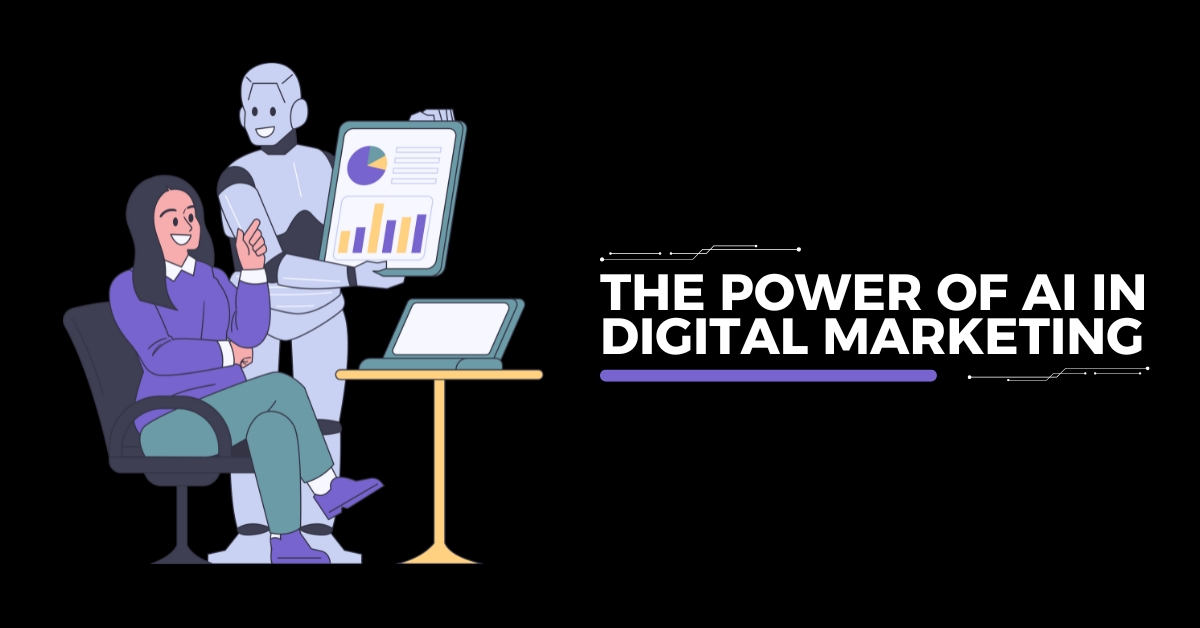
The Role Of AI In Digital Marketing: What You Need To Know
Artificial Intelligence (AI) technology is rapidly innovating industries across the world, and digital marketing (DM) is no exception. With the increasing demand for personalized customer experiences (CX), businesses are turning to AI to streamline operations, enhance marketing strategies, and drive growth. It is important to understand the role of AI in digital marketing for staying competitive and unlocking new opportunities. In this blog, we will explore how AI is revolutionizing digital marketing and why it is essential for businesses. What is AI in Digital Marketing? Artificial Intelligence in digital marketing refers to the use of machine learning, data analytics, and automation to enhance marketing efforts. AI systems can analyze large datasets, identify patterns, and predict customer behavior with minimal human intervention. This enables businesses to create highly personalized marketing strategies, improve customer engagement, and optimize campaigns. AI tools and technologies allow businesses to automate repetitive tasks, streamline workflows, and make smarter, data-driven decisions that lead to more efficient marketing strategies. How AI is Revolutionizing Digital Marketing? Artificial Intelligence is fundamentally transforming digital marketing by making processes faster, more efficient, and more personalized. AI empowers businesses to automate repetitive tasks, analyze vast amounts of data, and predict customer behavior with unprecedented accuracy. This allows businesses to implement more effective strategies, increase engagement, and deliver a superior customer experience. Best AI Tools for Marketing are available to help businesses leverage these capabilities, including tools for predictive analytics, customer segmentation, and personalized content creation. These tools make it easier for marketers to enhance their strategies with minimal manual intervention, driving better results and improving campaign performance. Personalized Customer Experiences AI enables businesses to create personalized customer journeys by analyzing large volumes of data. With AI, businesses can understand customer preferences, purchasing history, and browsing behaviors to deliver highly targeted content, product recommendations, and ads. Personalized experiences lead to higher engagement, increased conversion rates, and improved customer satisfaction. For example, e-commerce platforms like Amazon and Netflix use AI to recommend products or shows based on past user behavior, enhancing the customer experience and driving sales. Let’s explore how AI is revolutionizing digital marketing in several key ways: Personalized Customer Experiences AI enables businesses to create personalized customer journeys by analyzing large volumes of data. With AI, businesses can understand customer preferences, purchasing history, and browsing behaviors to deliver highly targeted content, product recommendations, and ads. Personalized experiences lead to higher engagement, increased conversion rates, and improved customer satisfaction. For example, e-commerce platforms like Amazon and Netflix use AI to recommend products or shows based on past user behavior, enhancing the customer experience and driving sales. Enhanced Decision-Making through Data-Driven Insights One of the key ways AI is revolutionizing digital marketing is by empowering businesses with data-driven insights. AI tools can process and analyze vast amounts of data far quicker than humans, identifying patterns and trends that may not be immediately obvious. By providing businesses with actionable insights into customer behavior, competitor performance, and market trends, AI enables more informed and effective decision-making. Businesses can make strategic adjustments in real-time, optimizing their campaigns for better outcomes. Automated Content Creation and Campaign Management AI automates many aspects of content creation, from social media posts to email marketing and even blog articles. AI tools can generate content based on predefined parameters, allowing businesses to maintain consistent messaging across channels. Additionally, AI is used to optimize digital marketing campaigns in real-time. It can manage tasks such as A/B testing, audience segmentation, and performance tracking, automatically adjusting campaigns for maximum effectiveness. By automating these tasks, businesses can save time and resources while improving the quality of their campaigns. Improved Targeting and Customer Segmentation AI significantly improves targeting and customer segmentation by analyzing behavioral data and identifying specific customer segments. With AI, businesses can group customers into different categories based on their interests, demographics, and purchasing habits. This allows businesses to target the right audience with the right message at the right time. AI-driven tools like Google Ads and Facebook’s ad platform utilize machine learning algorithms to optimize ad placements, ensuring that advertisements reach the most relevant audience. The result is more efficient use of marketing budgets and higher conversion rates. Predictive Analytics for Smarter Campaigns AI-powered predictive analytics allows businesses to forecast future trends and customer behaviors. By analyzing past interactions and patterns, AI can predict what products customers are likely to purchase or what actions they are likely to take. This predictive capability helps businesses design campaigns that anticipate customer needs, offering the right products or services at the right time. Predictive analytics enhances customer retention by ensuring that businesses are always one step ahead of customer expectations. Real-Time Customer Service with Chatbots AI-powered chatbots are revolutionizing customer service by providing instant support to customers, 24/7. These chatbots can answer frequently asked questions, assist with order placement, resolve customer queries, and even offer personalized recommendations. This automated customer service not only improves the overall customer experience but also reduces the need for human intervention, allowing businesses to scale their customer support efforts efficiently. Chatbots enhance engagement and provide immediate solutions, which is particularly valuable in the fast-paced digital environment. Automated Social Media Marketing AI tools have the ability to automate social media marketing, from content creation to scheduling and posting. By analyzing user behavior and engagement patterns, AI can determine the best times to post, suggest content that will resonate with the audience, and even create personalized ads. Social media platforms like Facebook and Instagram utilize AI to recommend relevant content to users based on their preferences and previous interactions. This allows businesses to connect with their audience in a more meaningful and impactful way. Enhanced ROI through Real-Time Campaign Optimization AI enables businesses to optimize their marketing campaigns in real time. AI-driven platforms continually monitor campaign performance and adjust variables like bidding, targeting, and budget allocation to improve results. This leads to better ROI, as AI ensures that every marketing dollar is spent effectively. By using machine learning algorithms, AI can also predict which strategies will